



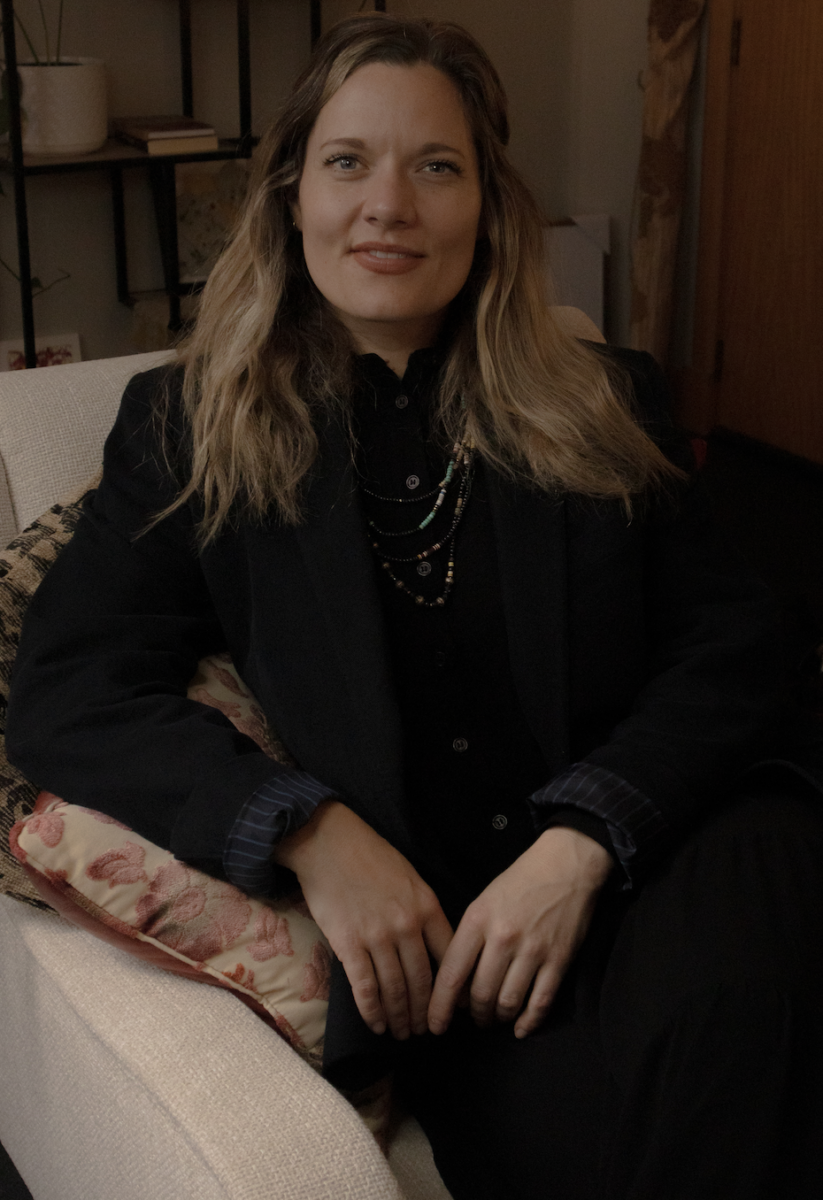
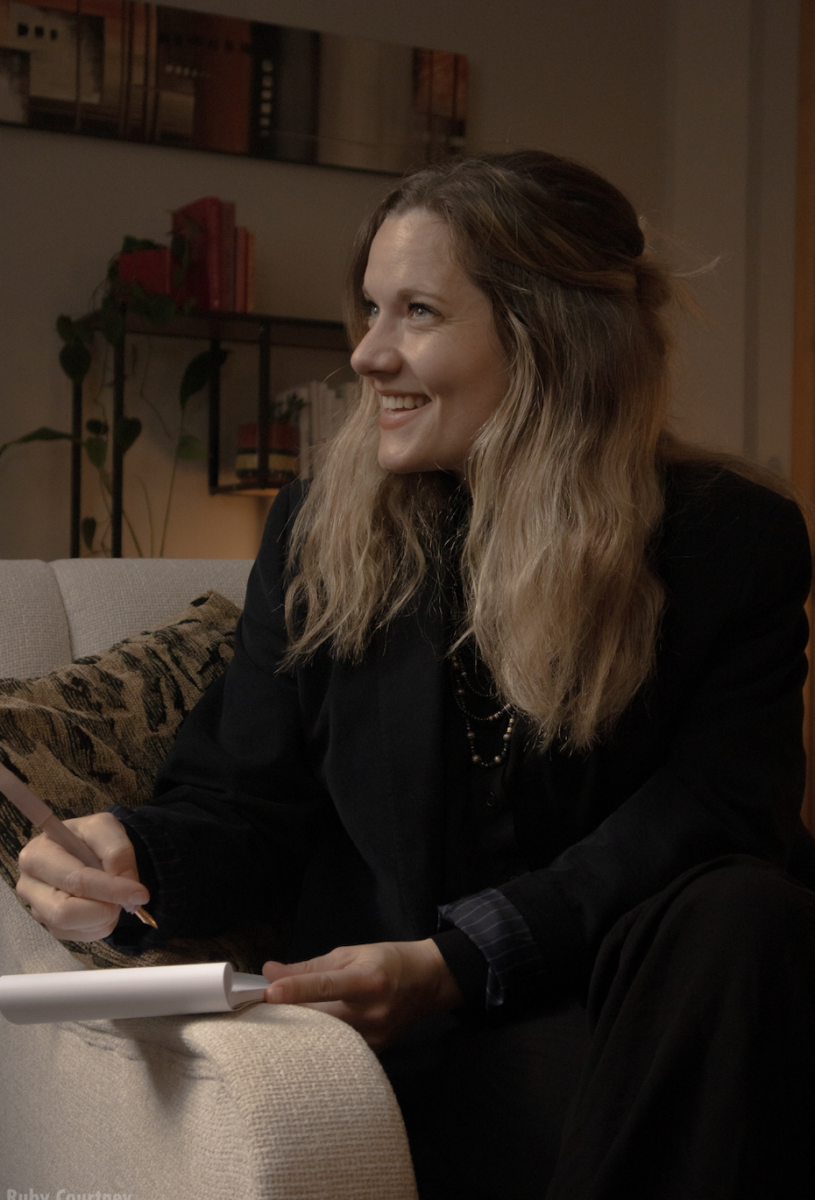
I’m a Registered Psychologist based in Wellington offering therapy for individuals and couples who are feeling stuck, overwhelmed, anxious, or disconnected, despite functioning well on the outside.
Many of the people I work with describe experiences like overthinking, emotional shutdown, stress, difficulty trusting others, struggling with addictive behaviours or finding themselves repeating the same painful relationship patterns. Others come to therapy because their relationship feels strained, communication has broken down, or they feel distant from the people they care about. I work with people who are quick to anger or defensiveness, as well as people-pleasers who struggle to say no or ask for what they need.
My approach is relational and grounded in the belief that people are capable of moving toward meaningful change, even in the presence of pain, fear, or uncertainty. Together, we work to understand what’s happening beneath the surface, so you can respond differently rather than stay stuck in cycles of anxiety, reactivity, or withdrawal.
In individual therapy, I help with:
- Anxiety, overthinking, and emotional overwhelm
- Self-criticism, low self-esteem, and feeling “not enough” or “too much”
- Burnout, stress, and difficulty slowing down internally
- Repetitive relational patterns and attachment difficulties
- Emotional shutdown or difficulty expressing needs
Sessions include skill-building (e.g., emotion regulation, communication skills, self-compassion, and values clarification) that is complimented by a deeper exploration of how past experiences may be shaping current patterns. My aim is to provide a respectful, supportive space where you can better understand yourself and develop new habits to help you feel more connected — both to yourself and to others.
In couples therapy, I help partners:
- Improve communication and reduce conflict cycles
- Rebuild emotional connection and understanding
- Navigate trust ruptures, distance, or resentment
- Break free from the patterns that keep pulling them apart
- Understand the dynamics affecting issues with sex and intimacy
Therapy is not about fixing you or your relationships – it’s about learning. Learning to meet your inner experience with more openness, so you can understand how your past has shaped the ways you react, relate, and protect yourself. From there, you will learn new skills that help build your capacity to stay present with what shows up and take meaningful action — even when it feels uncomfortable — so you can move toward a more connected and values-led life.
If you’re considering therapy, we can begin with a brief call to see whether working together feels like a good fit.
FAQs
What can I expect from therapy?
There is naturally variation between clients, and I don’t want to set unrealistic expectations. However, there are a few things that tend to be consistent across sessions.
First, sessions are connective — most clients experience feeling heard, understood, and not alone in what they’re carrying.
Second, therapy often involves some discomfort. Rather than avoiding this, we work together to develop a different relationship with it, so it becomes something you can stay with and learn from, rather than something that overwhelms or controls you.
Third, sessions are insightful. Over time, you’ll begin to understand more about your patterns, your reactions, and the experiences that have shaped how you relate to yourself and others.
Finally, therapy is action-oriented. It holds the assumption that you are capable of taking meaningful steps toward change, and that these steps matter in building a more intentional and satisfying life.
How long does therapy take?
Each session is 60 minutes, but the real work continues between sessions as insights begin to show up in daily life, relationships, and patterns of response.
Research consistently shows that therapy outcomes are less dependent on length alone, and more strongly influenced by the quality of the therapeutic relationship, active engagement, and consistency of attendance. A large meta-analysis of psychotherapy research found that the therapeutic alliance is one of the strongest predictors of positive outcomes across modalities (Flückiger et al., 2020).
There is also evidence that more consistent attendance — particularly weekly sessions in the early phase of therapy — is associated with stronger outcomes, likely because it supports continuity, momentum, and the development of the therapeutic process over time (Erekson et al., 2015).
Because of this, the duration and structure of therapy varies. For some people it is short-term and focused, while for others it becomes a longer process of deeper change and integration over time.
How do you support the needs of busy professionals?
I offer flexible appointment times, including evenings and weekends, for clients in high-stress professions and leadership roles who prefer space to process without immediately returning to work.
Corporate rates and confidential invoicing are available on request.
What therapeutic approaches do you use in your individual work?
In my work with individuals, I primarily draw from Acceptance and Commitment Therapy (ACT), while also integrating elements of Cognitive Behavioural Therapy (CBT), Compassion-Focused Therapy (CFT), and Dialectical Behaviour Therapy (DBT/RO-DBT) where helpful. I also incorporate attachment and relational perspectives to understand how past and present relationships shape patterns of thinking, feeling, and relating.
What is couples therapy like?
I use a process-based approach called the Developmental Model of Couples Therapy (Bader & Pearson).
This approach views relationship conflict as a normal and meaningful part of growth, rather than a sign that something is wrong. It understands relationships as evolving over time, with challenges often reflecting the need for new capacities within the relationship.
In our work together, I assume both partners are doing the best they can with the skills and awareness they currently have. We focus on building capacity — understanding patterns, recognising developmental challenges, and learning how to respond with more intention.
Rather than focusing only on communication techniques, this model works at a deeper level by strengthening self-awareness, emotional regulation, and the ability to stay connected in moments of difference.
How do we find time for couples therapy?
I also prioritise my evening and weekend appointments for couples as I understand how difficult it can be to coordinate work, childcare and multiple schedules.
What are your fees?
- Free Consultation Call (10 min) - No cost
- Individual Session (50 min) - $210
- Couples Session (90 min) - $340

-
Get Directions 24 Johnston Street, Wellington Central, Wellington, New Zealand
-
 https://www.luxpsychology.co.nz
September, 2026
Monday
August 26,2019
- Tuesday
- 9:00am - 10:00am
Awesome Job!
We have received your appointment and will send you a confirmation to your provided email upon approval.
Get in touch
 Your request has been submitted successfully.
