


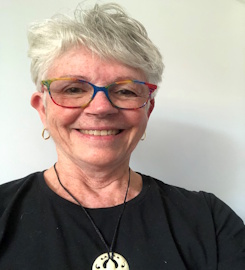
Complex Case Discussions with Diane Clare
Complex Case Discussions: for providers of complex assessments
We are currently taking expressions of interest for this training.
Complex Case Discussions: for providers working with complex assessments.
Many clinicians have expressed a strong interest in taking a deeper look at complex case formulation, whether for ACC reports or general clinical practice. This webinar offers an opportunity to explore the kinds of questions that naturally arise when working with complex presentations.
To help shape the workshop so it reflects real needs, several people have already shared examples with Diane Clare using her CASE© formulation model.
You are now invited to register for this training. The workshop will draw on the themes that emerged from that early feedback, and the model and themes are included here for your reference.
The session will be guided by these themes and will also make space—where time allows—for participants to bring their own examples on the day. As you prepare, you might like to think of a case using the CASE© approach, that could support your learning and enrich the discussion.
CASES:
C – Context: Where you work and in what capacity.
A – About the client: Age, gender identify, ethnicity.
S – Safety issues: What they are and how you managed them.
E – Evaluation: What has worked and what else might be needed? What are your wonderings?
Themes emerging: Themes provided include the following: Attachment influences on PTSD recovery; overlap of ADHD/PTSD; co-morbidities within a complex clinical presentation and issues arising where whanau can help/hinder.
Where: Online via Zoom
For more information and to contact us – please visit the website:
https://www.grow.co.nz/complex-case-discussions-with-diane-clare/
Contact: Faye Johnson – [email protected]
FAQs
Who Should Attend
The webinar is for clinically trained providers of complex assessments and may include psychologists, psychotherapists, psychiatrists and some counsellors and nurse specialists.
It is likely you will have attended one or more of Diane Clare's previous webinars such as Supported Assessments 101 or 201, Specialist Cover Assessments 101, Complex PTSD 101 or 201 or Borderline PD101 or you may have attended similar trainings. Clinicians with clinical conundrums who want to explore ideas in a supportive group of like-minded people are welcomed.
Learning Outcomes
Key Learning points:
- Formulating complex case work will be more clearly expressed,
- Ability to describe the interweave of comorbidity will be enhanced.
- Better ways to summarise complex casework will be offered.


August, 2026
Friday
August 26,2019
- Tuesday
- 9:00am - 10:00am
Awesome Job!
We have received your appointment and will send you a confirmation to your provided email upon approval.
Get in touch
 Your request has been submitted successfully.
